
No electric water heater on the market beats a heat pump model for efficiency. Rather than running current through an element for every gallon, it uses a compressor, refrigerant, and a fan to capture heat from surrounding air and move it into the tank. Moving heat costs far less energy than creating it, so these hybrids routinely earn Uniform Energy Factor ratings of about 3 to 4, while a conventional electric tank sits just under 1. Here in Dearborn, MI, that gap is prompting plenty of homeowners to replace a worn electric tank with a hybrid instead of another standard model.
Placement matters more for a heat pump water heater than for any other type. The unit needs a steady supply of room air, so manufacturers generally want around 700 cubic feet of open space, or ducting to borrow air from a larger area when the utility closet is tight. The exhaust air comes out cooler and drier, a bonus in a humid basement or hot garage and a drawback in a small, already chilly space. Compressor operation has a comfortable range: in a space that drops near freezing, the unit falls back on its electric elements and the efficiency advantage shrinks for those hours. Add a condensate line that must drain by gravity or pump, a fan and compressor that make about as much noise as a dishwasher, and a dedicated 240-volt circuit on most models, and you can see why the site survey matters as much as the brand.
The savings get won or lost in the settings. A hybrid can run in heat pump only, hybrid, electric, and vacation modes, and the right mode depends on how many people shower back to back and how cold the space gets. Heat pump recovery is slower than an element's, so going one tank size larger often lets the compressor carry the whole load without calling on backup heat. Our technicians set the unit with a drain pan, a well-routed condensate line, a dedicated circuit, and code items such as an expansion tank or seismic strapping where they apply, then choose the mode that fits your routine. Many qualifying units are eligible for utility rebates or federal tax credits, and while we cannot guarantee eligibility, we will tell you which programs are worth checking. Call (313) 540-8638 to talk through a heat pump water heater for your Dearborn home.
Most of our service calls are for Water Heater Installation in Dearborn. That's the place to start for most homes.
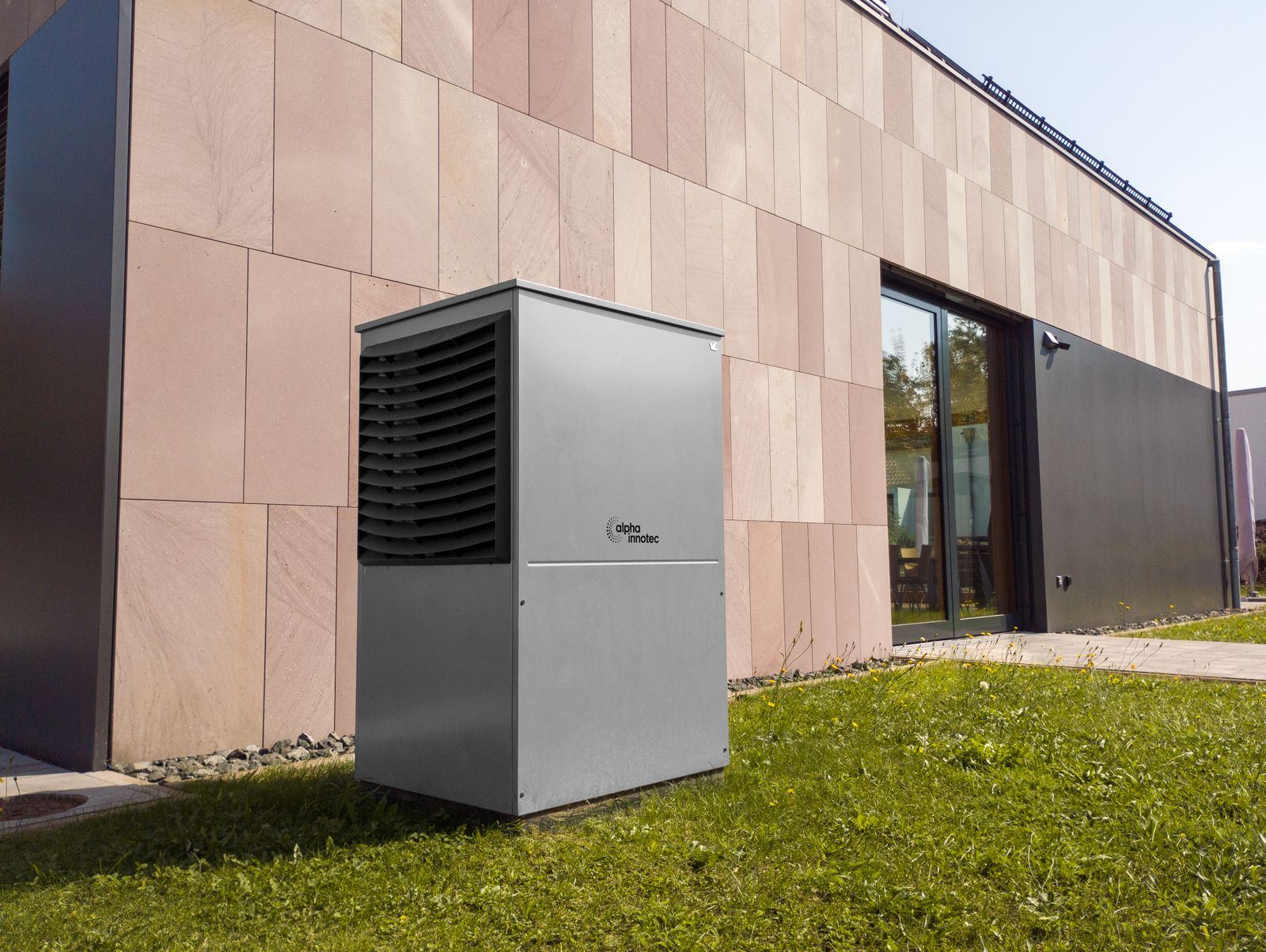
When to Call for Heat Pump Water Heaters
Water heaters usually give plenty of warning before they fail, as long as you know what to look and listen for. These are the red flags our technicians see most often before a breakdown:
- A hot garage in summer that pulls heat the unit can put to use
- Existing electric water heater wiring that may serve the new unit
- Power bills where water heating is a large and steady line item
- A garage, basement, or utility room with plenty of open air around the tank
- An all-electric home, or one heading that direction
- Your electric tank is past the ten-year mark and you would rather plan than wait for a leak
- A plan to take advantage of efficiency incentives where they apply
- Humidity problems in the space where the water heater sits
A Slow Leak Never Stays Slow
A worn-out anode rod, a sediment-choked tank, or a weak thermocouple rarely fixes itself, and the repair usually costs more the longer it waits. If you notice any of these signs, contact Dearborn Water Heater at (313) 540-8638 for a prompt inspection.
No Hot Water? We Can Help.
One call gets a technician scheduled and a clear price before any work starts.
Call (313) 540-8638 TodayCommon Questions We Hear
The Benefits of Professional Heat Pump Water Heaters
From the outside, a hybrid resembles a regular tank with a hat, but it combines three trades in one appliance: plumbing, electrical, and a sealed refrigerant system. The water side needs proper connections, a relief valve discharged to a safe location, and an expansion tank where the plumbing is closed. The electrical side needs a circuit and breaker sized to the nameplate, not the old tank's wiring by assumption. Then there is the part DIY guides skip: whether the room can actually feed the compressor. A unit squeezed into a small closet without ducting runs on its elements most of the time, which means paying hybrid prices for standard electric performance.
The hands-on details add up. These units are tall and, once full, weigh far more than a person can safely manage alone. The condensate line needs a reliable drain or a pump, and a clogged line can soak flooring before anyone notices. Converting from a gas heater means capping the gas supply, dealing with the old flue, and bringing in a new circuit. Any work on the refrigerant loop requires training and equipment most homeowners do not have. Dearborn Water Heater handles those pieces as part of one job, programs the unit before we leave, and provides model and installation details for rebate or credit applications, though approval always rests with the program.
What to Expect From Our Team
We work through a clear, repeatable process so you always know what's happening and what it will cost. Here's a look at each step our team takes:
Site Survey
We measure the room volume, note how warm or cold it runs through the year, find the nearest drain for condensate, and check the electrical panel for a 240-volt circuit.
Right-Sizing the Tank
We size the tank to how your household actually uses hot water, keeping in mind that compressor recovery is slower than an element's.
Careful Installation
Water lines, the electrical circuit, T&P discharge piping, and a properly sloped condensate route are all installed and checked before the tank fills.
Mode Setup and Walkthrough
We fill and purge the tank, confirm the compressor runs and the condensate drains, set a safe temperature, and choose the mode that fits your routine.
Tips to Keep Your Water Heater Healthy
A little routine care goes a long way toward keeping a water heater running well past its expected lifespan. Follow these tips from our technicians:
- Keep up with a yearly flush, since hybrids collect sediment like any tank
- Look at the condensate line now and then to make sure it is draining freely
- Rinse the intake filter a few times a year; a clogged filter drags efficiency down
- Keep chemicals, paint, and lint sources away from the intake air
- Keep the space around the unit open and free of boxes, laundry, and stored clutter
- Use vacation mode when you travel instead of leaving the tank at full temperature
- Replace the anode rod when it is mostly consumed to extend the tank's life
Should You DIY or Call a Pro?
Online videos may help in a pinch, yet lasting repairs and code-compliant installs depend on correct venting, proper relief valve discharge piping, and a trained technician. Here's a comparison:
| Factor | DIY Attempt | Hiring a Pro |
|---|---|---|
| Room Selection | Space never measured | Air volume checked, ducting planned if needed |
| Wiring | Old tank wiring assumed to be fine | Dedicated circuit verified or added |
| Condensate | No reliable drain path | Pan and drain line installed together |
| Sizing | Chosen from the shelf price | Often upsized to keep elements idle |
| Operating Mode | Left on the factory default | Controls explained before we leave |
| Safety Details | Drain pan left out | Installed to local requirements |
Talk to Our Heat Pump Water Heaters Team
Don't let a failing water heater get worse. Call Dearborn Water Heater now for prompt, professional service.
Tap to Call (313) 540-8638Heat Pump Water Heaters Near Dearborn
Our service area reaches well past the city limits. Choose your community for local details.